A LITTLE HELP IN THE KITCHEN

Shopping list
generator.

Choose your recipes. Review your ingredients. Check the cost.

01 / WHAT’S COOKING?

Choose your recipes

Add what you’d like to cook, then adjust the portions.

18 recipes shown. Filtering keeps your selected meals.

Choose at least one recipe to continue.

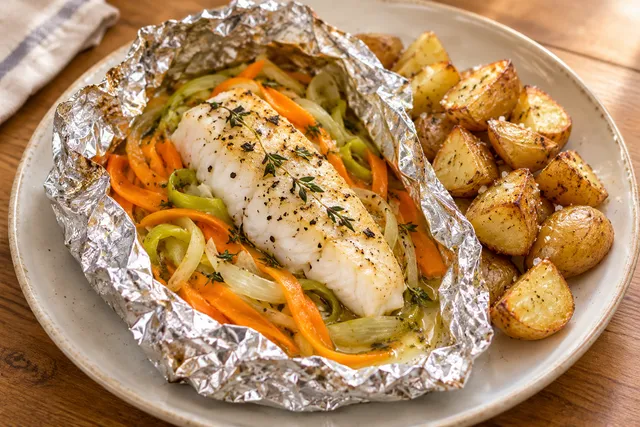
Serving suggestion: baked white fish with carrot and leek ribbons, thyme and garlic potatoes.

60 MINUTES

Basa parcels with garlic potatoes

Oven-baked basa with white wine, carrot ribbons, leek and thyme, served with buttery garlic potatoes.

Read the recipe
Ingredients & method for Basa parcels with garlic potatoes

For 2 portions. Cooking time may need adjustment as portions change.

  • 2 Basa fillets
  • 100 ml White wine
  • 2 Carrots
  • 1 Leek
  • 1 Onion
  • 500 g Potatoes
  • 30 g Butter
  • 2 Garlic cloves
  • 3 g Fresh thyme
  • 1 tsp Flaky sea salt
  • 0.25 tsp Black pepper
  1. Heat the oven to 200°C / 180°C fan. Cut the potatoes into roughly 2 cm pieces so they cook evenly.
  2. Melt the butter gently and stir in the crushed garlic. Toss the potatoes through the garlic butter, spread over a roasting tray and add a little of the salt and pepper. Roast for about 45–50 minutes, turning halfway, until tender inside and golden outside.
  3. Meanwhile, peel the carrots, then use the peeler to make thin ribbons. Wash the leek well and cut into fine strips. Peel and finely slice the small onion.
  4. Lay out one generous piece of foil per person on a baking tray. Divide the vegetables between them, place a basa fillet on top of each, and add the thyme and a little more of the salt and pepper. Fold up the foil edges, divide the wine equally between the parcels, then seal loosely with room for steam.
  5. When the potatoes have had about 20 minutes, put the fish parcels in the oven alongside them. Bake for about 25–30 minutes; the thickness of the fillets and your oven will affect the time. The fish must be hot all the way through, with opaque flesh that separates easily with a fork. If using a clean food thermometer, check that the centre reaches 75°C for at least 30 seconds.
  6. Open the parcels carefully, directing the hot steam away from your face and hands. Serve the fish, vegetables and cooking juices with the garlic potatoes. Finish the potatoes with the remaining flaky salt, to taste.

Allergens: Fish, Milk, Sulphites (wine; check the label). Check product labels and substitutions.

Cook the fish until hot all the way through, with opaque flesh that separates easily with a fork. If using a clean food thermometer, check that the centre reaches 75°C for at least 30 seconds. Cooking guidance
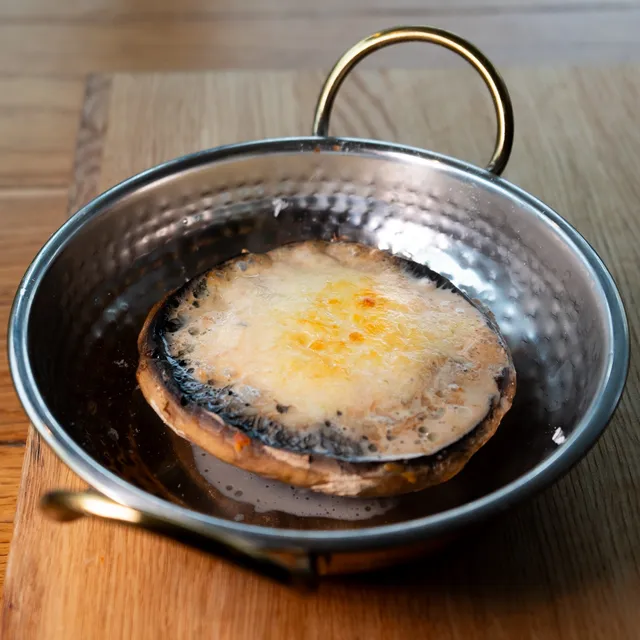
Baked mushrooms with cheese

25 MINUTES

Baked mushrooms with cheese

Garlic, parsley and melted cheddar. Serve with a side of your choice.

Read the recipe
Ingredients & method for Baked mushrooms with cheese

For 4 portions. Cooking time may need adjustment as portions change.

  • 4 Large flat mushrooms
  • 100 g Cheddar cheese
  • 1 Garlic cloves
  • 2 tbsp Olive oil
  • 10 g Fresh parsley
  1. Heat the oven to 200°C / 180°C fan. Wipe the mushrooms, trim the stalks and place on a baking tray, gills up.
  2. Grate the cheese. Finely chop the garlic and parsley and mix into the cheese.
  3. Brush the mushrooms with the oil. Divide the topping between them and add pepper to taste.
  4. Bake for 15–20 minutes until tender and the cheese has melted. Larger mushrooms may need longer.

Allergens: Milk. Check product labels and substitutions.

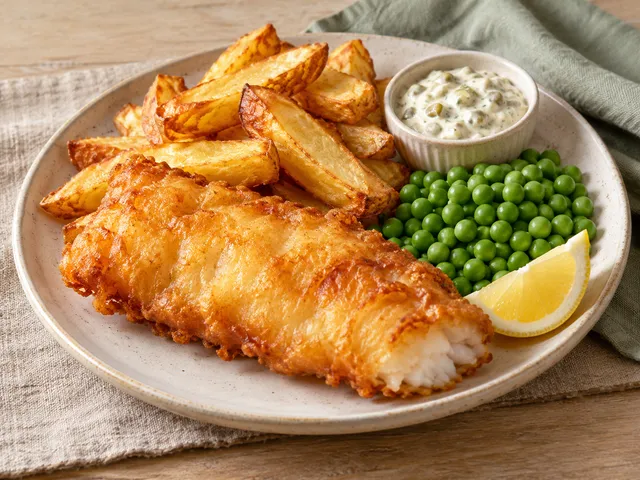
Serving suggestion: beer-battered cod with chunky chips, whole garden peas, tartare sauce and lemon.

75 MINUTES

Beer-battered cod, chips & garden peas

Crisp beer-battered cod with oven chips, whole garden peas and a homemade caper-and-gherkin tartare sauce.

Read the recipe
Ingredients & method for Beer-battered cod, chips & garden peas

For 4 portions. Cooking time may need adjustment as portions change.

  • 600 g Skinless boneless cod fillets
  • 1 kg Potatoes
  • 160 g Plain flour
  • 40 g Cornflour
  • 250 ml Beer
  • 1 l Sunflower oil
  • 30 ml Olive oil
  • 400 g Frozen garden peas
  • 120 g Mayonnaise
  • 20 g Capers
  • 40 g Pickled gherkins
  • 10 g Dijon mustard
  • 10 g Fresh parsley
  • 1 Lemon
  • 1 tsp Flaky sea salt
  • 0.25 tsp Black pepper
  1. Heat the oven to 220°C / 200°C fan. Cut the scrubbed potatoes into chips about 1.5 cm thick. Boil in water for 5 minutes, drain and let them steam dry. Toss with the olive oil and half the salt, spread over two trays and roast for 35–45 minutes, turning halfway, until golden and tender.
  2. Drain and finely chop the capers and gherkins. Mix with the mayonnaise, mustard, chopped parsley, pepper and the juice of half the lemon. Refrigerate the tartare sauce while cooking; cut the remaining lemon into wedges.
  3. Cut the cod into four similar portions, check for bones and pat very dry. Put 30 g of the flour on a plate. In a separate bowl, mix the remaining 130 g flour, the cornflour and remaining salt. Shortly before frying, whisk in the cold beer just until a thick, pourable batter forms.
  4. Heat the sunflower oil to 180°C in a thermostatically controlled fryer, following its minimum and maximum fill marks. For a suitable heavy pan, use a thermometer and never fill it more than one third full. The listed litre is a pan-frying allowance: choose a pan with enough safe headroom. Keep the area dry and never leave hot oil unattended.
  5. Dust each dry fish portion in the reserved flour, shake off excess, then dip in batter. Lower carefully into the oil away from you. Fry in small batches for about 6–8 minutes, adjusting for thickness, until golden and the fish is cooked through. Check the thickest part: it should be opaque and separate into flakes; a clean probe should reach 75°C for at least 30 seconds. Drain on a rack and keep briefly in a warm oven while the remaining pieces cook.
  6. Boil the frozen garden peas following their packet instructions, usually 3–5 minutes, and drain. Leave the peas whole. Serve the cod, chips and peas with the chilled tartare sauce and lemon wedges.

Allergens: Fish, Wheat / gluten (flour and beer), Egg (mayonnaise), Mustard, Sulphites (pickles and mustard; check labels). Check product labels and substitutions.

Use a thermostatically controlled fryer where possible. Keep water away from hot oil, cool the oil completely before moving it and never put water on an oil fire. Wash hands and utensils after handling raw fish. Cook the centre of the fish to 75°C for at least 30 seconds. Cooking guidance
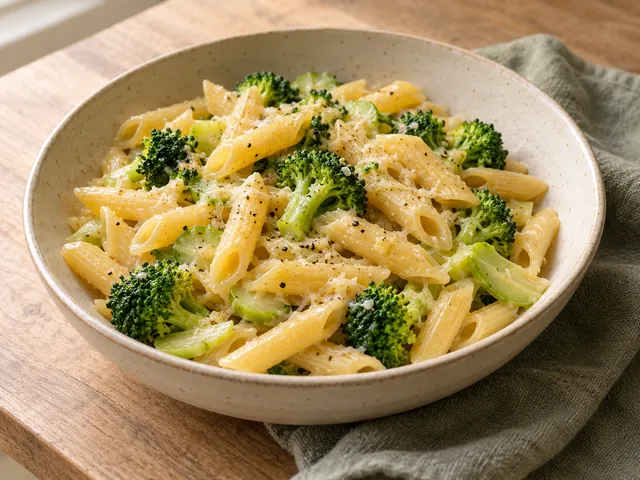
Serving suggestion: penne and tender broccoli lightly coated with cheddar.

25 MINUTES

Broccoli & cheddar pasta

A simple bowl of penne, tender broccoli and cheddar, brought together with a little pasta water.

Read the recipe
Ingredients & method for Broccoli & cheddar pasta

For 2 portions. Cooking time may need adjustment as portions change.

  • 200 g Dried penne pasta
  • 300 g Fresh broccoli
  • 60 g Cheddar cheese
  • 1 Garlic cloves
  • 1 tbsp Olive oil
  • 0.25 tsp Flaky sea salt
  • 0.25 tsp Black pepper
  1. Bring a large pan of water to the boil. Wash the broccoli, cut the florets into small pieces and thinly slice the tender part of the stalk. Peel and finely chop the garlic, then grate the cheddar.
  2. Add the penne to the boiling water and cook for the time on its pack. Add the broccoli for the final 4–5 minutes, cooking until the pasta and broccoli are tender.
  3. Meanwhile, warm the olive oil in a large frying pan over a low heat. Add the garlic and stir for 1–2 minutes without letting it brown.
  4. Reserve a mug of the pasta water, then drain the pasta and broccoli. Add both to the frying pan with a splash of the reserved water.
  5. Take the pan off the heat and stir in the grated cheddar, adding a little more pasta water until the cheese coats the pasta. Season with the salt and pepper and serve straight away.

Allergens: Milk (cheddar), Wheat / gluten (pasta; check the pack). Check product labels and substitutions.

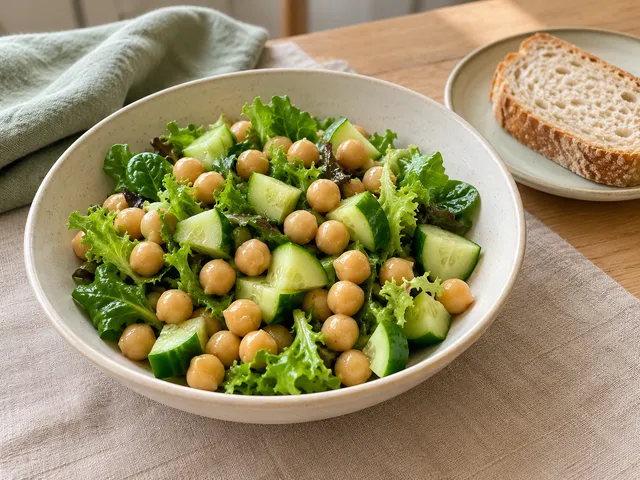
Serving suggestion: chickpea, cucumber and leaf salad with a slice of bread.

15 MINUTES

Chickpea & lemon salad

A fresh cupboard lunch with cucumber, leaves and lemon dressing.

Read the recipe
Ingredients & method for Chickpea & lemon salad

For 2 portions. Cooking time may need adjustment as portions change.

  • 1 can Canned chickpeas
  • 0.5 Cucumber
  • 0.1 kg Salad leaves
  • 0.5 Lemon
  • 15 ml Olive oil
  • 2 slices Bread
  1. Drain and rinse the cooked chickpeas. Wash the salad leaves and cucumber, then chop the cucumber.
  2. Squeeze the lemon and whisk its juice with the oil. Season to taste.
  3. Toss the chickpeas, cucumber and leaves in the dressing. Serve with the bread.

Allergens: Wheat / gluten (bread). Check product labels and substitutions.

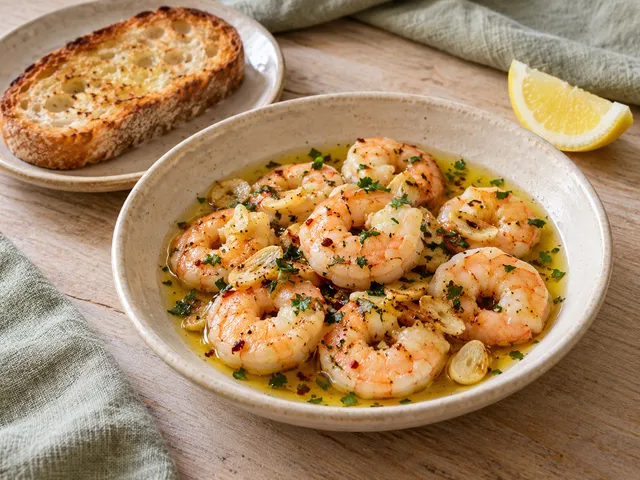
Serving suggestion: garlic king prawns in olive oil with chilli, parsley, toast and lemon.

20 MINUTES

Gambas al ajillo

Sizzling garlic-and-chilli king prawns with parsley, lemon and bread for the fragrant olive oil.

Read the recipe
Ingredients & method for Gambas al ajillo

For 4 portions. Cooking time may need adjustment as portions change.

  • 400 g Raw peeled king prawns
  • 6 Garlic cloves
  • 75 ml Olive oil
  • 0.5 g Dried chilli flakes
  • 10 g Fresh parsley
  • 0.5 Lemon
  • 4 slices Bread
  • 0.5 tsp Flaky sea salt
  1. Thaw frozen prawns fully in the fridge first. Check that the raw prawns are peeled and deveined, then pat them dry. Peel and thinly slice the garlic. Wash and finely chop the parsley, and cut the lemon half into wedges.
  2. Put the olive oil, garlic and chilli in a wide frying pan over a medium-low heat. Warm gently for 3–4 minutes until the garlic is fragrant and just starting to turn pale gold. Do not let it darken.
  3. Increase the heat to medium and add the prawns in a single layer. Cook for 3–5 minutes, turning halfway, until the flesh is opaque throughout and piping hot. Larger prawns may take longer; a clean probe should reach 75°C for 30 seconds. Cook in two batches if the pan is crowded.
  4. Stir in the salt and parsley and remove from the heat. Toast the bread while the prawns cook.
  5. Serve immediately in a heatproof serving dish, with the garlicky oil, one bread slice per person and lemon wedges. Warn everyone that the pan and oil are hot.

Allergens: Crustaceans (prawns), Wheat / gluten (bread; check label). Check product labels and substitutions.

Keep raw prawns chilled and separate from ready-to-eat food. Cook until opaque and hot all the way through, reaching 75°C for at least 30 seconds with a clean probe. Take care with the hot serving dish and oil. Cooking guidance

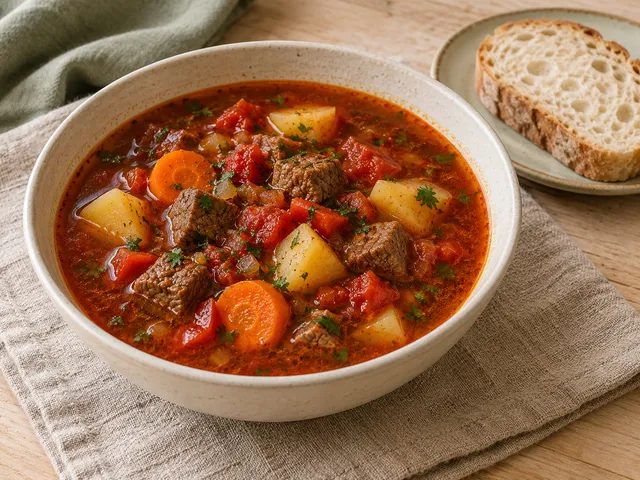
Serving suggestion: paprika beef soup with potatoes, carrots, red pepper, parsley and bread.

190 MINUTES

Hungarian beef goulash

A generous bowl of gulyás-style beef, potato and pepper soup, fragrant with sweet paprika and caraway.

Read the recipe
Ingredients & method for Hungarian beef goulash

For 4 portions. Cooking time may need adjustment as portions change.

  • 700 g Stewing beef
  • 2 Onion
  • 3 Garlic cloves
  • 2 Carrots
  • 600 g Potatoes
  • 300 g Red peppers
  • 300 g Fresh tomatoes
  • 20 g Tomato purée
  • 30 ml Sunflower oil
  • 20 g Sweet paprika
  • 2 g Caraway seeds
  • 4 slices Bread
  • 10 g Fresh parsley
  • 1 tsp Flaky sea salt
  • 0.25 tsp Black pepper
  1. Cut the beef into 3 cm pieces. Peel and chop the onions and garlic. Peel and slice the carrots. Remove the stalks and seeds from the peppers and cut into chunks. Chop the tomatoes and lightly crush the caraway seeds.
  2. Heat the oil in a heavy casserole. Brown the beef in batches, then set aside. Add the onions and cook over a medium-low heat for 10–12 minutes until soft. Stir in the garlic and caraway for 1 minute.
  3. Take the pan off the heat before stirring in the sweet paprika and tomato purée. Immediately add the chopped tomatoes and 200 ml tap water so the paprika does not burn. Return the beef and any juices to the pan, add another 800 ml tap water, the salt and pepper, and bring to a simmer.
  4. Cover and simmer gently for 90 minutes, stirring occasionally. Add water if needed to keep the beef covered. Meanwhile, peel the potatoes and cut into 2 cm chunks.
  5. Add the potatoes, carrots and peppers. Continue to simmer, partly covered, for 35–45 minutes until the beef yields easily to a fork and the vegetables are tender. Add hot water to keep a generous, soup-like broth rather than reducing it to a dry stew; allow extra time if the beef is still firm.
  6. Wash and chop the parsley. Scatter over the goulash and serve four generous bowls, each with a slice of bread.

Allergens: Wheat / gluten (bread; check label). Check product labels and substitutions.

Keep raw beef separate from ready-to-eat food. Simmer until fully cooked and tender throughout, and serve the soup piping hot. Cooking guidance

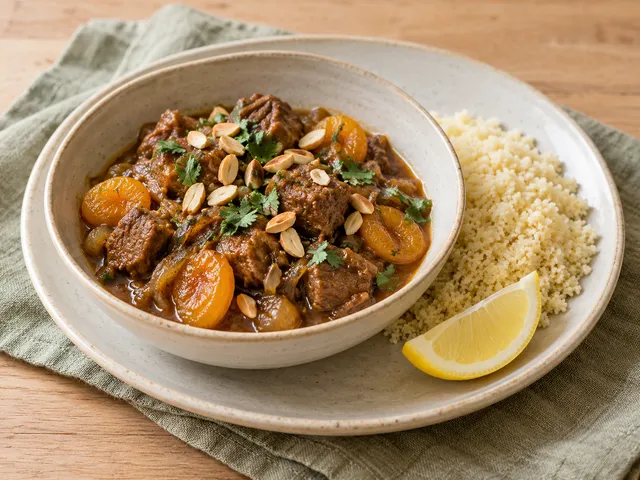
Serving suggestion: lamb and apricot tagine with almonds, coriander, couscous and lemon.

180 MINUTES

Lamb & apricot tagine

Slow-cooked lamb with apricots, warming spices, almonds and coriander, served with fluffy couscous.

Read the recipe
Ingredients & method for Lamb & apricot tagine

For 4 portions. Cooking time may need adjustment as portions change.

  • 750 g Diced lamb
  • 150 g Dried apricots
  • 2 Onion
  • 3 Garlic cloves
  • 30 ml Olive oil
  • 3 g Ground cumin
  • 3 g Ground coriander
  • 2 g Ground ginger
  • 1 g Ground cinnamon
  • 280 g Couscous
  • 40 g Blanched almonds
  • 20 g Fresh coriander
  • 1 Lemon
  • 1 tsp Flaky sea salt
  • 0.25 tsp Black pepper
  1. Trim any large pieces of fat from the lamb and cut into 3–4 cm pieces. Peel and slice the onions and finely chop the garlic. Rinse the coriander and separate the stalks from the leaves; finely chop the stalks. Halve the apricots.
  2. Heat 20 ml of the oil in a heavy casserole over a medium-high heat. Brown the lamb in two batches and transfer to a plate. Reduce the heat and cook the onions in the same pan for 10 minutes, adding a splash of water to loosen any browned bits.
  3. Add the garlic, coriander stalks, cumin, ground coriander, ginger and cinnamon. Stir for 1 minute, then return the lamb and its juices. Add 500 ml tap water, ¾ teaspoon salt and the pepper. Bring to a simmer, cover and cook very gently for 90 minutes, stirring occasionally and adding a little water if the pan becomes dry.
  4. Stir in the apricots. Cover and simmer for another 30–40 minutes, or longer if needed, until the lamb is very tender. Remove the lid for the last 10 minutes if the sauce needs to thicken. Stir in the juice of half the lemon.
  5. Meanwhile, toast the almonds in a dry frying pan over a medium heat for 3–4 minutes, shaking often, then roughly chop. Put the couscous in a heatproof bowl with the remaining 10 ml oil and ¼ teaspoon salt. Add boiling water in the amount stated on its packet, cover for the packet time, then fluff with a fork.
  6. Scatter the tagine with the coriander leaves and almonds. Serve with the couscous and wedges from the remaining lemon half.

Allergens: Wheat / gluten (couscous), Nuts (almonds), Sulphites (dried apricots; check label). Check product labels and substitutions.

Wash hands and utensils after handling raw lamb. Keep the casserole at a gentle simmer and cook the lamb until fully cooked and fork-tender. Cooking guidance

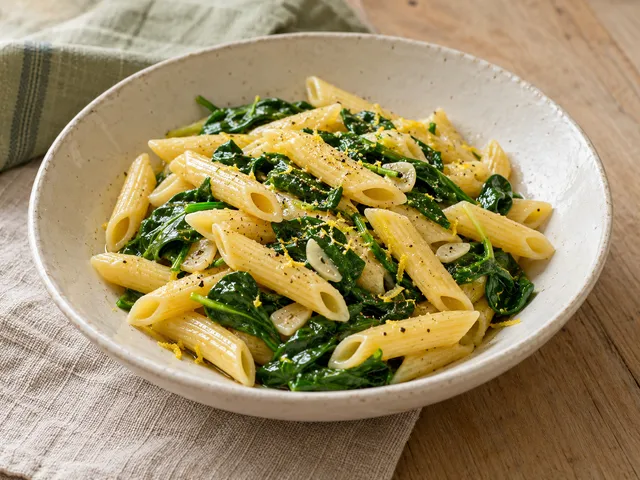
Serving suggestion: penne with wilted spinach, garlic and lemon zest.

25 MINUTES

Lemon & spinach penne

A simple pasta supper with fresh spinach, garlic and a bright lemon dressing.

Read the recipe
Ingredients & method for Lemon & spinach penne

For 2 portions. Cooking time may need adjustment as portions change.

  • 200 g Dried penne pasta
  • 100 g Fresh baby spinach
  • 2 Garlic cloves
  • 0.5 Lemon
  • 1 tbsp Olive oil
  • 0.25 tsp Flaky sea salt
  • 0.25 tsp Black pepper
  1. Bring a large pan of water to the boil. Add the penne and cook for the time on its pack, until tender with a little bite.
  2. Meanwhile, finely slice the garlic. Wash the spinach unless its pack says ready to eat. Finely grate the zest from the half lemon, then squeeze its juice.
  3. Warm the olive oil in a large frying pan over a low heat. Add the garlic and cook gently for 1–2 minutes, stirring, without letting it brown.
  4. Add the spinach and stir until wilted and hot. Reserve a mug of pasta water, then drain the penne.
  5. Add the pasta, lemon zest and juice to the frying pan. Toss with a splash of reserved water to coat, adding a little more water if needed. Season with the salt and pepper and serve straight away.

Allergens: Wheat / gluten (pasta; check the pack). Check product labels and substitutions.

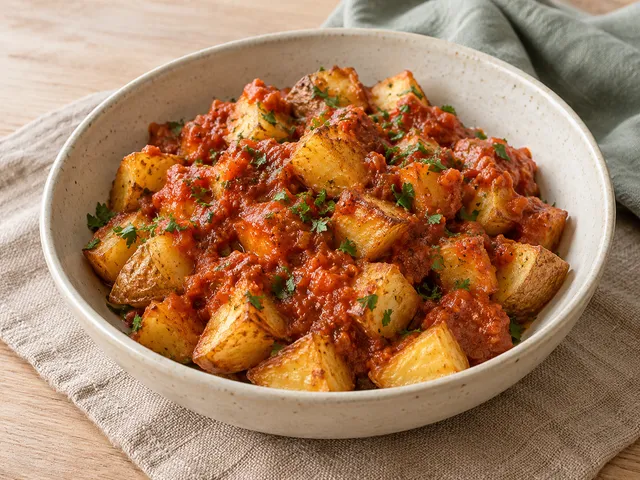
Serving suggestion: golden potato pieces with red bravas sauce and chopped parsley.

55 MINUTES

Patatas bravas

Golden potato pieces with a smoky, gently fiery tomato bravas sauce for a Spanish tapas table.

Read the recipe
Ingredients & method for Patatas bravas

For 4 portions. Cooking time may need adjustment as portions change.

  • 800 g Potatoes
  • 50 ml Olive oil
  • 1 Onion
  • 2 Garlic cloves
  • 400 g Fresh tomatoes
  • 20 g Tomato purée
  • 3 g Smoked paprika
  • 0.5 g Dried chilli flakes
  • 15 ml Sherry vinegar
  • 5 g Fresh parsley
  • 0.75 tsp Flaky sea salt
  1. Heat the oven to 220°C / 200°C fan. Scrub the potatoes and cut into 2–3 cm pieces. Boil in water for 5 minutes, drain well and let them steam dry for 5 minutes.
  2. Toss the potatoes with 35 ml of the olive oil and ½ teaspoon salt. Spread on a large tray in one layer. Roast for 30–40 minutes, turning halfway, until crisp outside and soft in the centre.
  3. Meanwhile, peel and finely chop the onion and garlic, and chop the tomatoes. Heat the remaining oil in a saucepan. Soften the onion for 8–10 minutes, then stir in the garlic, paprika and chilli for 30 seconds.
  4. Immediately add the tomatoes, tomato purée, 100 ml tap water and the remaining salt. Simmer for 20 minutes, stirring, until thick. Stir in the sherry vinegar. Remove from the heat and carefully blend smooth, or leave a little texture if preferred.
  5. Spoon the hot bravas sauce over the potatoes just before serving and scatter with washed, chopped parsley. Serve straight away while the potatoes are crisp.

Allergens: Sulphites (sherry vinegar; check label). Check product labels and substitutions.

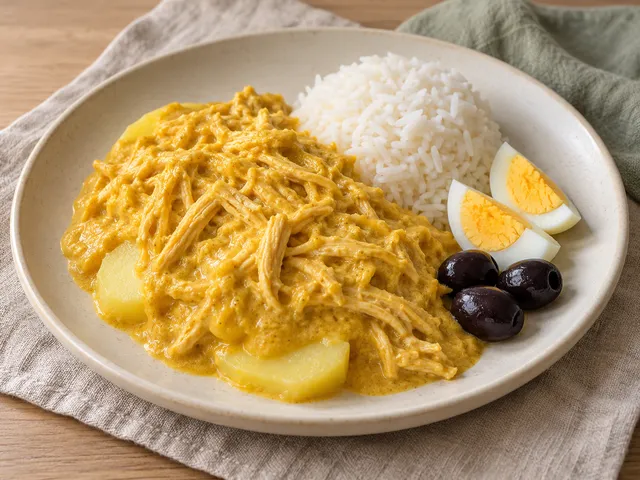
Serving suggestion: golden shredded chicken over potatoes with white rice, hard-boiled egg and black olives.

70 MINUTES

Peruvian ají de gallina

Shredded chicken in a golden ají amarillo, walnut and milk sauce, with rice, potato, egg and black olives.

Read the recipe
Ingredients & method for Peruvian ají de gallina

For 4 portions. Cooking time may need adjustment as portions change.

  • 600 g Skinless chicken breast
  • 40 g Ají amarillo paste
  • 200 g Evaporated milk
  • 40 g Walnut halves
  • 40 g Parmesan cheese
  • 3 slices Bread
  • 200 g Long grain white rice
  • 400 g Potatoes
  • 2 Eggs
  • 40 g Pitted black olives
  • 1 Onion
  • 1 Carrots
  • 3 Garlic cloves
  • 20 ml Sunflower oil
  • 1 g Ground cumin
  • 0.75 tsp Flaky sea salt
  • 0.25 tsp Black pepper
  1. Peel the onion and carrot. Put half the onion, the sliced carrot and the chicken in a saucepan with enough cold tap water to cover, about 900 ml. Bring to a gentle simmer and poach for 20–25 minutes, or longer for thick breasts, until the chicken is cooked through. Check the thickest part reaches 75°C for at least 30 seconds. Lift the chicken onto a clean plate and shred with two forks. Strain and reserve the cooking broth.
  2. Meanwhile, peel the potatoes, cut into thick rounds and boil in a separate pan for 12–15 minutes until tender. Hard-boil the eggs for 10 minutes, cool under running water, peel and quarter. Cook the rice following its packet instructions and keep hot until serving.
  3. Tear the bread into a blender jug and add 250 ml of the hot chicken broth. Let it soften for 5 minutes. Add the walnuts and blend until smooth, taking care with hot liquid, or finely grind the nuts and mash everything together thoroughly.
  4. Finely chop the remaining half onion and the garlic. Heat the oil in a wide saucepan and soften the onion for 8 minutes. Add the garlic, cumin and ají amarillo paste and stir over a low heat for 2 minutes without scorching.
  5. Stir in the bread-and-walnut mixture. Add the evaporated milk, grated Parmesan, salt, pepper and shredded chicken. Simmer gently for 8–10 minutes, stirring and adding reserved broth in small splashes until the sauce is creamy and spoonable. Heat until piping hot throughout; do not leave a thick sauce unattended.
  6. Divide the potato rounds and hot rice between four plates. Spoon the chicken sauce over the potatoes and finish each plate with two egg quarters and the drained, pitted black olives.

Allergens: Milk (evaporated milk and Parmesan), Nuts (walnuts), Wheat / gluten (bread), Egg, Check the chilli paste label for additional allergens. Check product labels and substitutions.

Do not wash raw chicken. Wash hands, boards and utensils after handling it, and cook to 75°C for at least 30 seconds. Serve rice immediately; cool any leftover rice within one hour, refrigerate and use within 24 hours, reheating only once until steaming hot. Cooking guidance

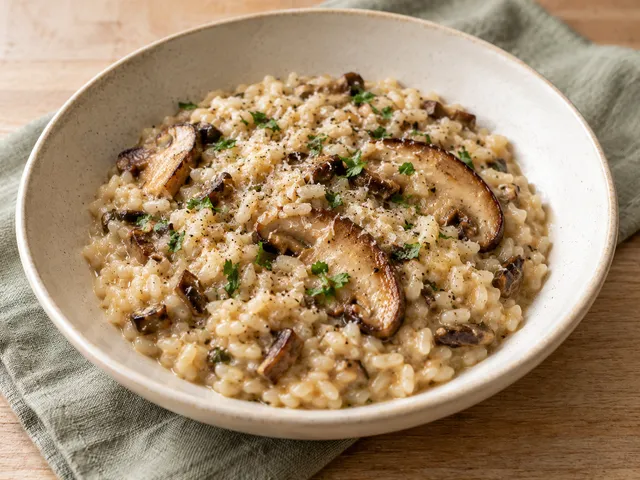
Serving suggestion: creamy arborio risotto with porcini, browned flat mushrooms and parsley.

65 MINUTES

Porcini mushroom risotto

Arborio rice stirred with porcini, fresh mushrooms, white wine and a simple homemade vegetable broth.

Read the recipe
Ingredients & method for Porcini mushroom risotto

For 4 portions. Cooking time may need adjustment as portions change.

  • 300 g Arborio risotto rice
  • 25 g Dried porcini mushrooms
  • 4 Large flat mushrooms
  • 1 Onion
  • 1 Carrots
  • 2 Garlic cloves
  • 100 ml White wine
  • 20 ml Olive oil
  • 40 g Butter
  • 60 g Parmesan cheese
  • 15 g Fresh parsley
  • 3 g Fresh thyme
  • 0.75 tsp Flaky sea salt
  • 0.25 tsp Black pepper
  1. Soak the dried porcini in 300 ml freshly boiled water for 20 minutes, or as their packet directs. Meanwhile, peel the onion and carrot. Roughly chop half the onion and all the carrot. Put them in a saucepan with the washed parsley stalks, thyme and 1 litre tap water. Simmer for 25 minutes, then strain into a clean pan and keep the broth hot.
  2. Lift the porcini from their soaking liquid, rinse away any grit if their packet directs, and chop. Pass the soaking liquid through a coffee filter or a sieve lined with clean kitchen paper, leaving the gritty residue behind. Add the strained liquid to the hot vegetable broth. Do not use unstrained sediment.
  3. Finely chop the remaining onion and garlic. Wipe and slice the fresh mushrooms. Heat the olive oil in a wide pan and fry the fresh mushrooms for 6–8 minutes until browned. Add the porcini and garlic for 1 minute, then transfer to a bowl.
  4. Melt 20 g of the butter in the same pan. Soften the chopped onion for 5 minutes. Add the dry arborio rice and stir for 2 minutes, then add the wine and stir until mostly absorbed. Add a ladle of hot broth and stir regularly over a gentle simmer.
  5. Continue adding broth a ladle at a time as it is absorbed. After 12 minutes, return the mushrooms. Cook for about 18–22 minutes in total, or as the rice packet directs, until the grains are tender with a little bite and the risotto flows softly when stirred. You may not need all the broth; add hot water if you run short.
  6. Remove from the heat. Stir in the remaining 20 g butter, the grated Parmesan, salt, pepper and chopped parsley leaves. Cover for 2 minutes, then loosen with a splash of hot broth if needed and serve immediately in four bowls.

Allergens: Milk (butter and Parmesan), Sulphites (wine; check label). Check product labels and substitutions.

Serve rice straight away. If keeping leftovers, cool quickly, ideally within one hour, refrigerate and use within 24 hours. Reheat only once, until steaming hot throughout. Follow the dried mushroom packet’s soaking and cooking instructions. Cooking guidance

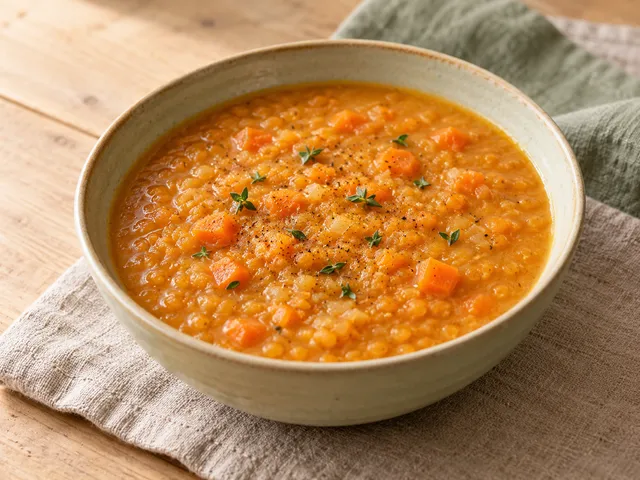
Serving suggestion: thick red lentil and carrot soup with thyme.

40 MINUTES

Red lentil & carrot soup

A warming soup of red lentils, carrots and thyme, with everyday ingredients and very little fuss.

Read the recipe
Ingredients & method for Red lentil & carrot soup

For 4 portions. Cooking time may need adjustment as portions change.

  • 200 g Red lentils
  • 5 Carrots
  • 1 Onion
  • 2 Garlic cloves
  • 1 tbsp Olive oil
  • 3 g Fresh thyme
  • 0.5 tsp Flaky sea salt
  • 0.25 tsp Black pepper
  1. Peel and chop the onion and carrots into small pieces. Peel and finely chop the garlic. Rinse the red lentils in a sieve and strip the thyme leaves from their stalks.
  2. Warm the olive oil in a large saucepan over a medium-low heat. Add the onion and carrots and cook for 5 minutes, stirring. Add the garlic and thyme and cook for another minute.
  3. Add the rinsed lentils and 1.2 litres of tap water. Bring to the boil, then reduce the heat and simmer, stirring occasionally, for 20–25 minutes or as directed on the lentil pack, until the lentils and carrots are completely tender.
  4. Add a little extra water if the soup becomes too thick. For a smoother soup, remove the pan from the heat and carefully blend with a stick blender; otherwise leave it chunky or mash lightly.
  5. Stir in the salt and pepper, taste and adjust to suit, then serve hot.

Allergens: None of the main allergens in the listed ingredients; check pack labels.. Check product labels and substitutions.

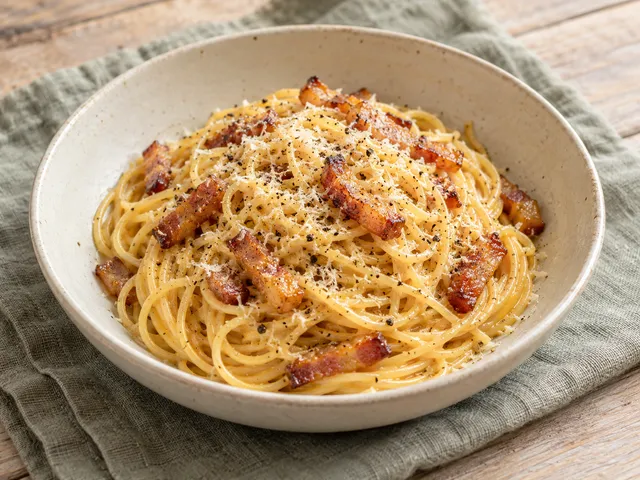
Serving suggestion: spaghetti with guanciale, a glossy egg sauce, Pecorino Romano and black pepper.

30 MINUTES

Spaghetti carbonara

Roman-style spaghetti with guanciale, Pecorino Romano, egg yolks and black pepper, made creamy with pasta water.

Read the recipe
Ingredients & method for Spaghetti carbonara

For 4 portions. Cooking time may need adjustment as portions change.

  • 360 g Dried spaghetti
  • 150 g Guanciale
  • 90 g Pecorino Romano cheese
  • 6 Eggs
  • 0.5 tsp Black pepper
  • 2 tsp Flaky sea salt
  1. Bring a large saucepan of water to the boil and add the salt. Cut any hard rind from the guanciale and cut the meat into small batons. Finely grate the Pecorino. Separate the eggs, keeping all six yolks for the sauce; chill the whites for another use or freeze promptly.
  2. Put the guanciale in a cold, wide frying pan. Cook over a medium-low heat for 8–10 minutes, stirring, until the fat has rendered and the pieces are golden and cooked. Turn the heat off. If there is a large pool of fat, spoon some into a heatproof bowl, leaving about 2 tablespoons in the pan.
  3. Cook the spaghetti according to its packet until just al dente. While it cooks, whisk the yolks, 70 g of the Pecorino and the black pepper together in a large heatproof bowl. Gradually whisk in 3 tablespoons of warm pasta cooking water, added slowly so the yolks do not scramble.
  4. Reserve a mug of pasta water, then drain the spaghetti. Toss it with the guanciale and its warm fat. Leave off the heat for 30 seconds, then transfer to the bowl of yolk mixture, tossing continuously with tongs.
  5. Add small splashes of reserved pasta water and keep tossing until a glossy sauce coats the pasta. The bowl and pasta should be warm, with the egg gently thickened rather than scrambled; do not place the sauce over a strong direct heat. Divide between four warm bowls and finish with the remaining Pecorino. Serve immediately.

Allergens: Wheat / gluten (spaghetti), Egg, Milk (Pecorino Romano). Check product labels and substitutions.

This sauce uses lightly cooked yolks. Choose British Lion or Laid in Britain assured hen eggs, observe their storage and use-by advice, and serve the dish immediately. Follow individual clinical advice for anyone with severe immune suppression. Cooking guidance

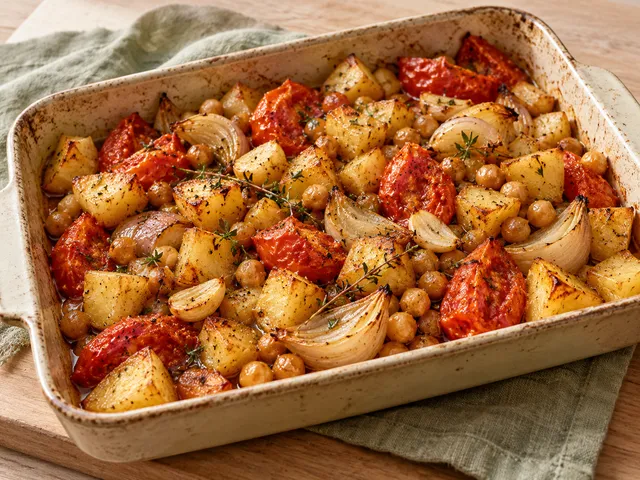
Serving suggestion: roasted potatoes, chickpeas, tomatoes and onion with thyme.

50 MINUTES

Tomato & chickpea traybake

Golden potatoes, chickpeas and juicy tomatoes roasted together with garlic and thyme.

Read the recipe
Ingredients & method for Tomato & chickpea traybake

For 2 portions. Cooking time may need adjustment as portions change.

  • 400 g Potatoes
  • 1 can Canned chickpeas
  • 300 g Fresh tomatoes
  • 1 Onion
  • 2 Garlic cloves
  • 2 tbsp Olive oil
  • 3 g Fresh thyme
  • 0.5 tsp Flaky sea salt
  • 0.25 tsp Black pepper
  1. Heat the oven to 200°C / 180°C fan. Wash the potatoes and cut into roughly 2 cm pieces. Peel the onion and cut it into wedges.
  2. Put the potatoes and onion on a roomy roasting tray. Toss with half the olive oil and half the salt and pepper. Roast for 20 minutes, turning once.
  3. Drain and rinse the chickpeas. Wash the tomatoes and cut into chunky pieces. Peel and finely slice the garlic, then strip the thyme leaves from their stalks.
  4. Add the chickpeas, tomatoes, garlic and thyme to the tray with the remaining oil, salt and pepper. Toss carefully and spread into a single layer.
  5. Roast for another 20 minutes, until the potatoes are tender, the tomatoes have softened and the chickpeas are hot. If the potatoes need longer, return the tray to the oven until tender. Serve with the tray juices.

Allergens: Check ingredient labels for allergens.. Check product labels and substitutions.

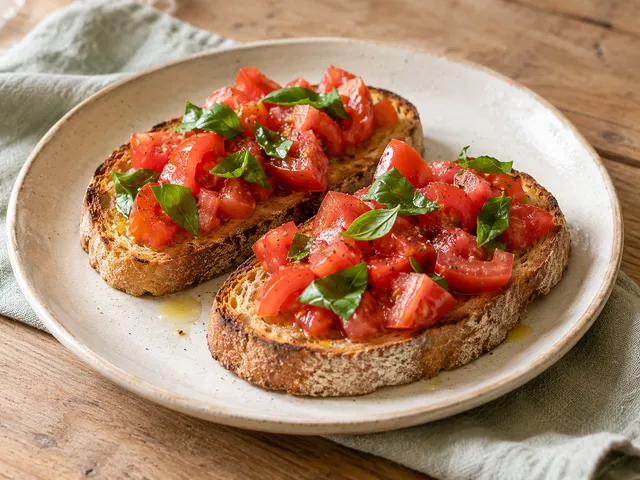
Serving suggestion: chopped ripe tomatoes and basil on toast.

10 MINUTES

Tomatoes on toast

Ripe tomatoes, olive oil and basil on warm toast.

Read the recipe
Ingredients & method for Tomatoes on toast

For 2 portions. Cooking time may need adjustment as portions change.

  • 300 g Fresh tomatoes
  • 2 slices Bread
  • 3 tsp Olive oil
  • 10 g Fresh basil
  1. Wash and chop the tomatoes. Tear the basil and mix with the tomatoes and oil. Season to taste.
  2. Toast the bread, spoon over the tomatoes and serve straight away.

Allergens: Wheat / gluten (bread). Check product labels and substitutions.

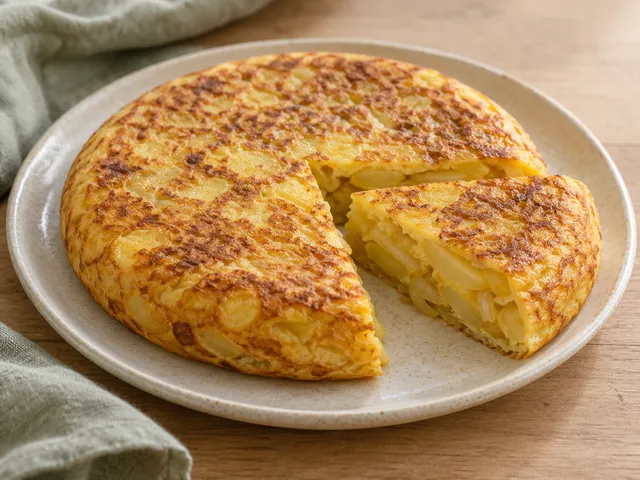
Serving suggestion: a golden Spanish potato-and-onion tortilla with one wedge cut.

55 MINUTES

Tortilla Española

A classic Spanish potato-and-onion tortilla, gently cooked until tender. Serve in wedges for supper or as part of a tapas table.

Read the recipe
Ingredients & method for Tortilla Española

For 4 portions. Cooking time may need adjustment as portions change.

  • 600 g Potatoes
  • 1 Onion
  • 6 Eggs
  • 100 ml Olive oil
  • 0.75 tsp Flaky sea salt
  • 0.125 tsp Black pepper
  1. Peel the potatoes and cut into thin slices about 3 mm thick. Peel and thinly slice the onion. Put both in a 22–24 cm non-stick frying pan with the olive oil and ½ teaspoon salt.
  2. Cook over a low to medium-low heat for 20–25 minutes, turning gently and regularly, until the potatoes are tender but not crisp. Lower the heat if they colour quickly. Carefully drain through a heatproof sieve into a heatproof bowl, reserving the oil.
  3. Beat the eggs in a large bowl with the remaining salt and the pepper. Let the drained potatoes cool for 5 minutes, then fold them and the onion into the eggs without crushing everything.
  4. Return 15 ml of the reserved oil to the pan over a low heat. Add the egg and potato mixture and level the top. Cook for 8–10 minutes until the edges are set and the base is golden; shake the pan gently to check it releases.
  5. Take the pan off the heat. Wearing oven gloves, hold a large flat plate firmly over the pan and carefully invert the tortilla onto it, keeping hot oil away from you. Slide it back into the pan and cook the other side over a low heat for 5–8 minutes, until set throughout with no liquid egg in the centre.
  6. Slide onto a clean plate and rest for 5 minutes before cutting into four wedges. Serve warm as part of a tapas meal.

Allergens: Egg. Check product labels and substitutions.

Cook until there is no liquid egg in the centre. Take care when draining hot oil and turning the tortilla. Refrigerate any leftovers promptly, within two hours. Cooking guidance

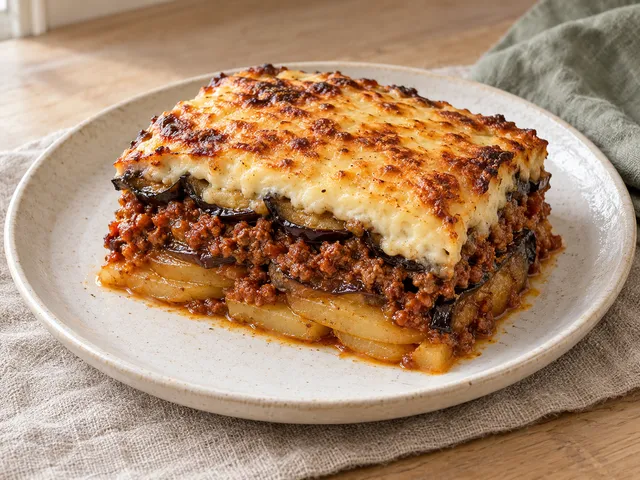
Serving suggestion: lamb moussaka with aubergine, potato and a golden béchamel topping.

170 MINUTES

Traditional lamb moussaka

Greek-style layers of aubergine, potato and cinnamon-scented lamb beneath a rich béchamel topping.

Read the recipe
Ingredients & method for Traditional lamb moussaka

For 6 portions. Cooking time may need adjustment as portions change.

  • 750 g Lamb mince
  • 900 g Aubergines
  • 600 g Potatoes
  • 2 Onion
  • 3 Garlic cloves
  • 700 g Fresh tomatoes
  • 35 g Tomato purée
  • 70 ml Olive oil
  • 2 g Ground cinnamon
  • 60 g Butter
  • 60 g Plain flour
  • 750 ml Milk
  • 2 Eggs
  • 60 g Parmesan cheese
  • 0.5 g Ground nutmeg
  • 1.25 tsp Flaky sea salt
  • 0.25 tsp Black pepper
  1. Heat the oven to 220°C / 200°C fan. Cut the aubergines lengthways into 8 mm slices and peel and slice the potatoes 5 mm thick. Spread over lined baking trays, brush with 50 ml of the olive oil and season with ½ teaspoon of the salt. Roast for 25–35 minutes, turning once, until tender and lightly coloured. Work in batches if needed.
  2. Peel and finely chop the onions and garlic; finely chop the tomatoes. Heat the remaining 20 ml oil in a wide pan. Soften the onions for 8 minutes, then add the lamb and break it up, cooking until browned all over. Stir in the garlic, cinnamon and tomato purée for 1 minute.
  3. Add the tomatoes, 150 ml tap water, ½ teaspoon salt and the pepper. Simmer uncovered for 30–40 minutes, stirring, until the lamb is cooked through and the sauce is thick rather than watery. Add a little water only if needed to prevent sticking.
  4. For the béchamel, melt the butter in a saucepan. Stir in the flour and cook for 2 minutes. Whisk in the milk gradually until smooth. Bring to a gentle bubble and stir for 5–7 minutes until thick. Remove from the heat and stir in the nutmeg, remaining salt and 40 g of the grated Parmesan.
  5. Separate the eggs. Let the sauce cool for 5 minutes, then beat the two yolks into the béchamel, one at a time. The whites are not needed: refrigerate for another use or freeze promptly. Turn the oven down to 190°C / 170°C fan.
  6. In a deep baking dish about 25 × 30 cm, arrange the potatoes, half the aubergines, the lamb sauce and the remaining aubergines. Spread the béchamel over the top and scatter with the remaining 20 g Parmesan. Bake for 40–50 minutes until golden and piping hot right into the middle; a clean probe should reach 75°C for 30 seconds. Rest for 15 minutes before cutting into six portions.

Allergens: Milk, Wheat / gluten (flour), Egg. Check product labels and substitutions.

Cook lamb mince thoroughly and keep raw-meat utensils separate. Check the assembled moussaka is hot through the centre, reaching 75°C for at least 30 seconds with a clean food thermometer. Cooking guidance

Serving images include AI-generated illustrations. Read the recipe for the measured ingredients.